Low back pain
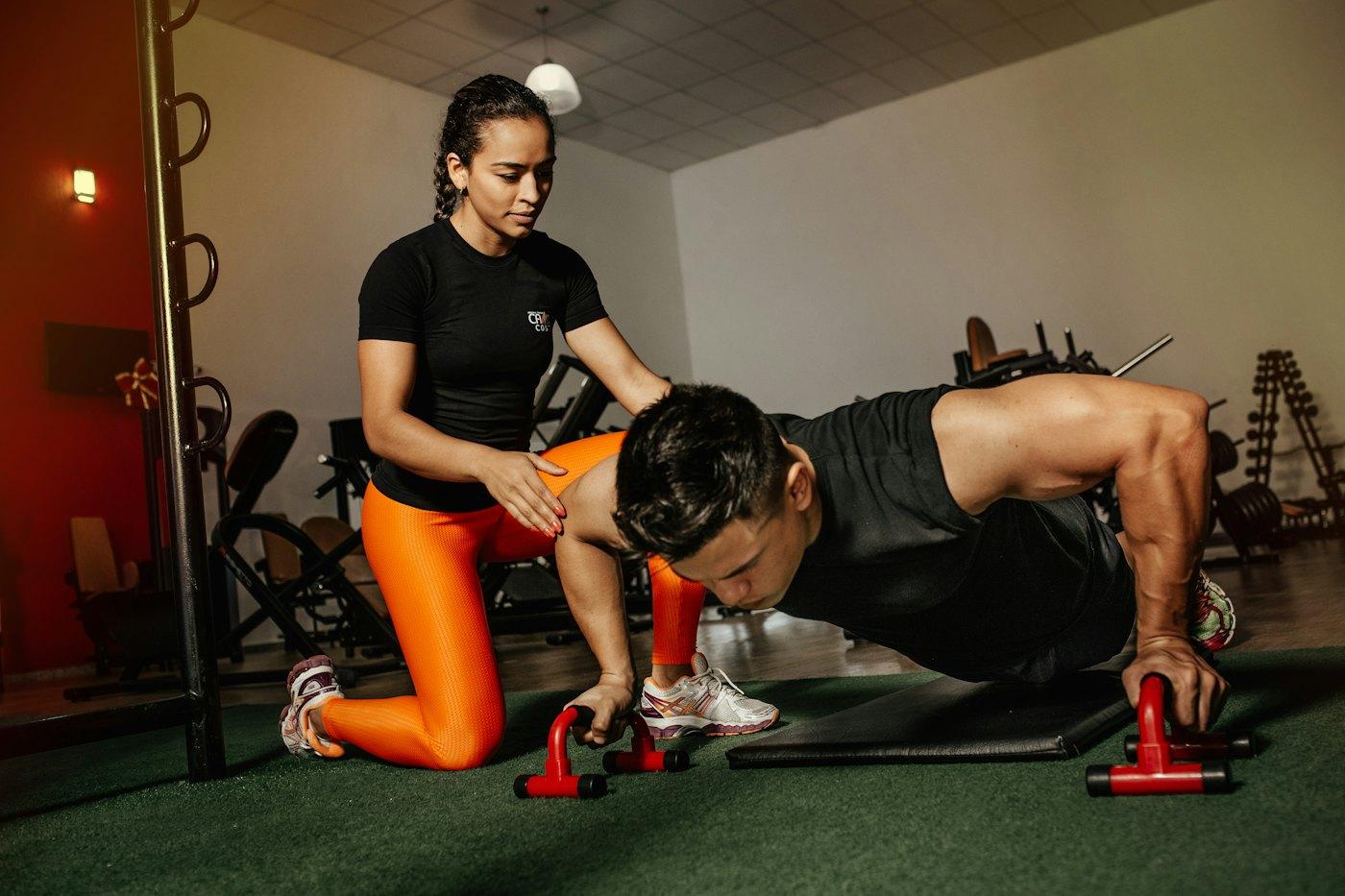
Mechanical back pain and stiffness, with exercise, movement and posture work to ease pain and reduce recurrence.
Conditions
Centre Point treats back, neck and joint pain, arthritis, muscle, tendon and ligament injuries, fractures and rehabilitation after orthopaedic surgery. It also treats neurological conditions of the brain, spinal cord and nerves, from stroke and Parkinson’s disease to vertigo, neuropathy and cerebral palsy. Find what you are experiencing below and follow the link to the treatment that fits.
Start here
Choose the area closest to what you are experiencing. Each category explains the condition, how physiotherapy helps and which treatment fits.
Conditions we treat
Pain, injuries and recovery affecting the bones, joints, muscles, tendons and ligaments, including rehabilitation after fractures and surgery.
01 · 4 conditions
Among the most common reasons people see a physiotherapist. Most back and neck pain is not caused by serious disease, but some symptoms need a doctor first.

Mechanical back pain and stiffness, with exercise, movement and posture work to ease pain and reduce recurrence.
Neck stiffness and discomfort, often related to posture and desk work, treated with mobility, strengthening and practical advice.
Age-related wear and tear affecting spinal discs and vertebrae in the neck or lower back. It triggers localised pain, stiffness and nerve compression, which physiotherapy relieves using spinal decompression, postural correction and core-stabilising exercises.
Occurs when a spinal disc bulges or ruptures, pressing on the sciatic nerve. This causes sharp, radiating pain, numbness and tingling down the leg. Physiotherapy utilises nerve gliding, traction and targeted exercises to relieve pain. Progressive leg weakness or bladder changes need urgent medical review.
02 · 7 conditions
Pain and stiffness in the knees, hips, shoulders and feet, including osteoarthritis. Physiotherapy aims to ease pain and restore movement without relying on medication.
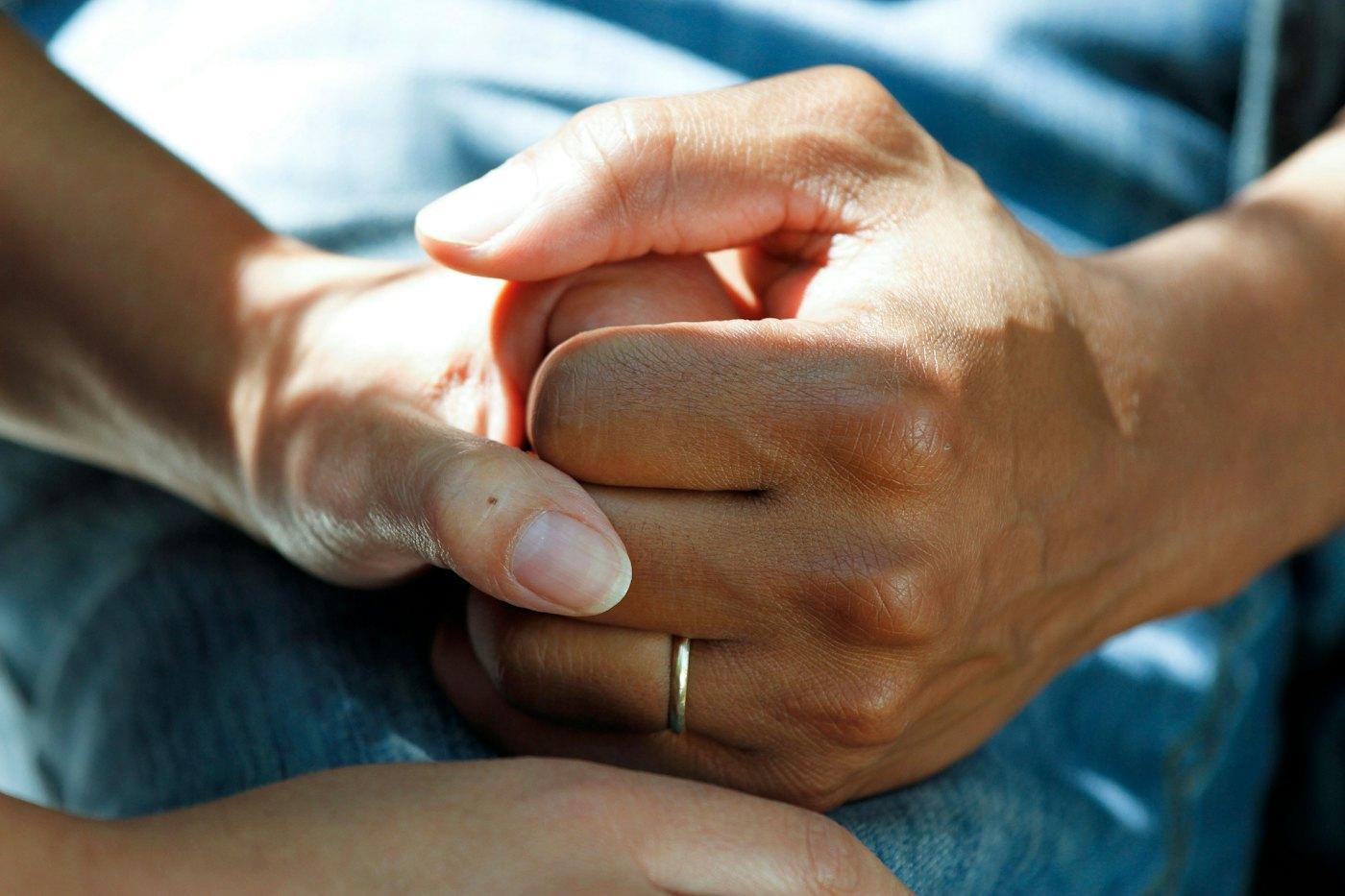
A degenerative joint disease where protective cartilage wears down over time, causing chronic pain, stiffness and swelling in weight-bearing joints like knees and hips. Physiotherapy manages pain and improves joint mobility through targeted strengthening and manual therapy.
Exercise, mobility and self-management support for osteoarthritis and other medically diagnosed arthritic conditions.
Pain, weakness and stiffness from osteoarthritis, overuse or injury, and rehabilitation after knee surgery.
Mobility, strength and walking rehabilitation for hip pain and stiffness, and after hip surgery.
Restoring shoulder movement and strength for shoulder pain and stiffness, including rotator-cuff related problems where diagnosed.
Characterised by severe stiffness, inflammation and progressive loss of shoulder movement due to joint capsule thickening. Physiotherapy restores pain-free range of motion through specialised joint mobilisation, stretching protocols and electrotherapy modalities.
Inflammation of the thick band of tissue running across the bottom of the foot, causing stabbing heel pain, especially with morning steps. Physiotherapy treats this using shockwave therapy, ultrasound, myofascial release and calf-stretching regimens.
03 · 7 conditions
Strains, sprains, tendon problems and bursitis from sport, work or everyday overuse, with a graded return to full activity.

Ligament sprains and muscle strains, with a graded return to movement, strength and activity.
Overstretching or tearing of muscle fibres, commonly in the hamstrings, calves or lower back, resulting in sudden pain, spasms and weakness. Physiotherapy accelerates tissue healing, reduces scar tissue and safely rebuilds the muscle's strength.
Stretching or tearing of tough fibrous bands connecting bones, leading to joint instability, swelling and bruising. Physiotherapy restores joint stability through proprioceptive balance training, neuromuscular re-education and progressive strengthening exercises.
Load management and progressive exercise for tendon pain and overuse problems.
Inflammation or tearing of the shoulder's stabilising tendons caused by repetitive overhead motions or acute trauma. Physiotherapy reduces tendon inflammation, corrects shoulder mechanics and strengthens surrounding muscles to restore full arm function.
An overuse injury causing pain and tenderness on the outside of the elbow due to micro-tears in forearm tendons. Physiotherapy resolves symptoms through eccentric strengthening, laser therapy, dry needling and ergonomic adjustments.
Painful inflammation of the fluid-filled sacs (bursae) that cushion bones and tendons near joints like the hip, shoulder or knee. Physiotherapy alleviates irritation through advanced pain-relieving modalities, gentle stretching and correcting faulty movement patterns.
04 · 5 conditions
Recovering strength, movement and confidence once your doctor confirms the bone is ready for rehabilitation.
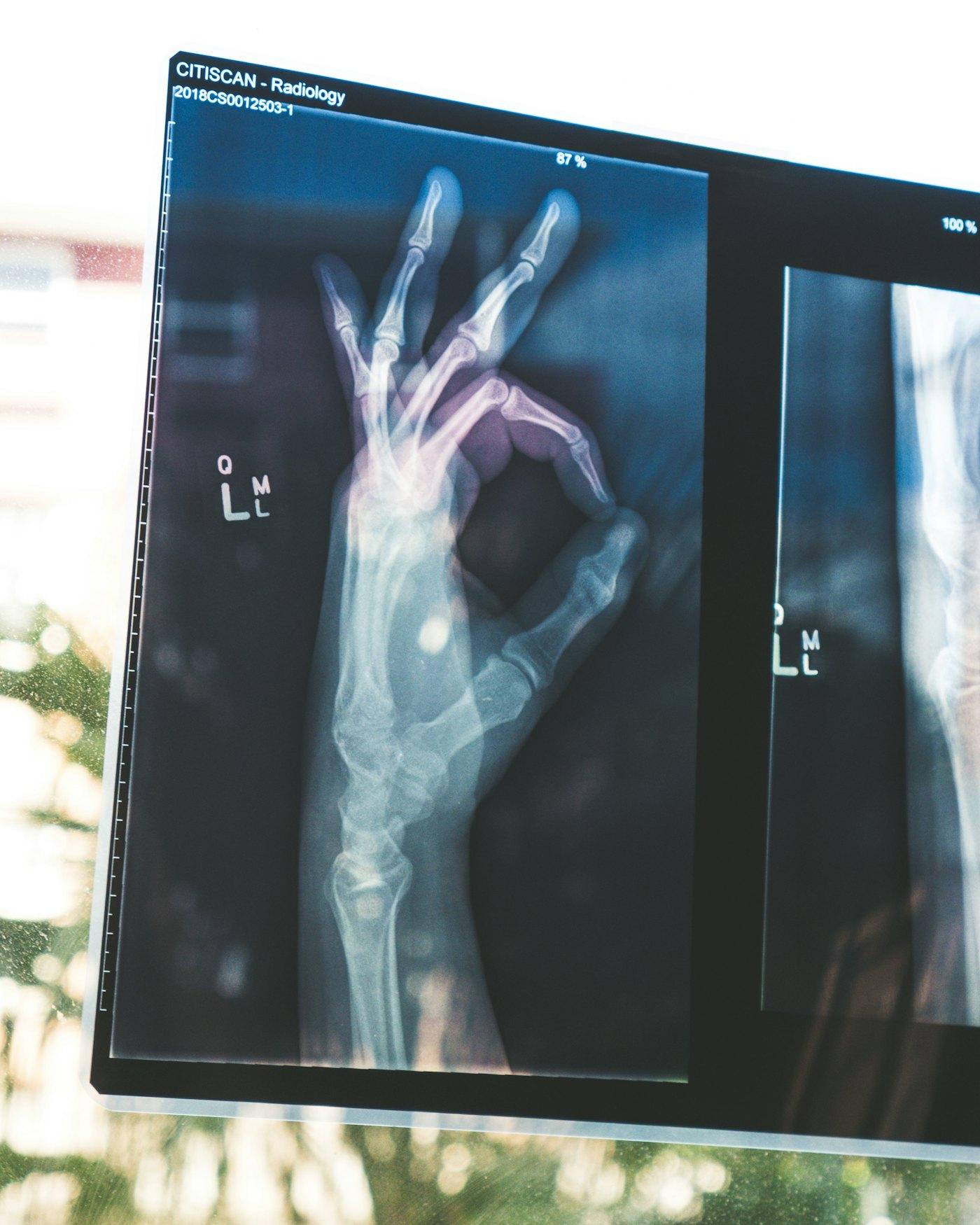
Recovering movement, strength and function once your doctor confirms the fracture is ready for rehabilitation.
Complete or partial breaks in long bones resulting from falls, sports or accidents. Following immobilisation, physiotherapy combats muscle atrophy, restores joint flexibility and retrains normal walking or lifting mechanics.
Serious breaks common in older adults due to falls or osteoporosis, severely impacting mobility and independence. Early physiotherapy focuses on safe weight-bearing, gait training with assistive devices and rebuilding lower-body strength.
Collapses in spinal bones often triggered by osteoporosis or trauma, leading to acute back pain and stooped posture. Physiotherapy provides safe postural training, gentle back-extensor strengthening and pain management without overloading the spine.
Tiny cracks in weight-bearing bones caused by repetitive force or sudden increases in physical activity. Physiotherapy guides safe offloading, corrects biomechanical imbalances and designs gradual return-to-sport protocols to prevent complete fractures.
05 · 4 conditions
Structured, phase-based rehabilitation that follows your surgeon's instructions, from the first days after the operation to full function.
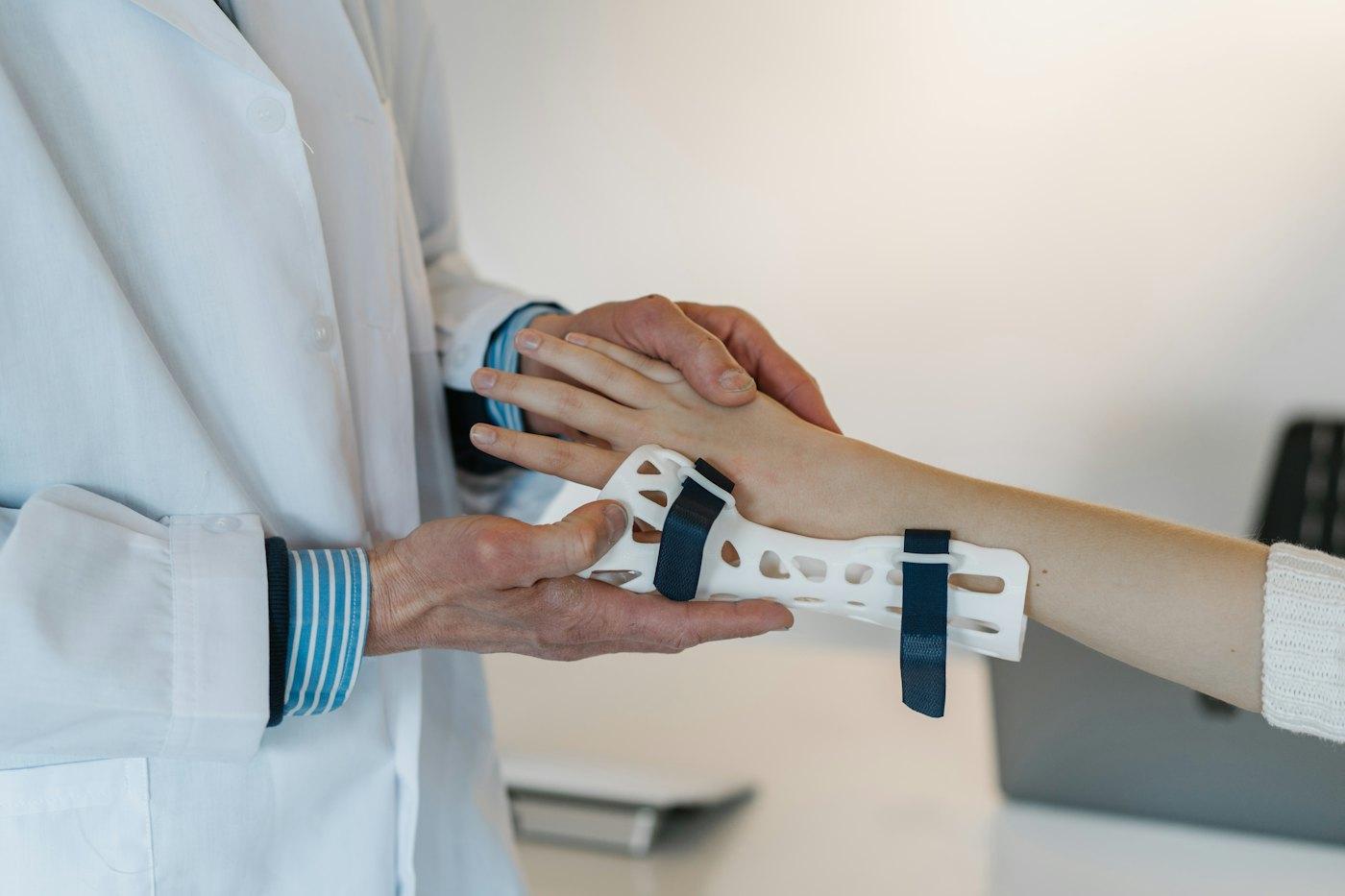
Surgical replacement of severely damaged joints with artificial prosthetics. Post-operative physiotherapy is critical to control swelling, prevent blood clots, achieve full joint bending and restore independent, pain-free walking.
Surgical repair of torn knee ligaments or cartilage. Structured physiotherapy progresses patients systematically from early swelling control and range-of-motion recovery to advanced agility, strength and return-to-sport conditioning.
Procedures performed to relieve nerve compression or stabilise the spine. Post-surgical physiotherapy protects the surgical site while gradually rebuilding deep core stability, flexibility and safe body mechanics for daily life.
Surgery using plates, screws or rods to stabilise complex fractures. Physiotherapy prevents permanent joint stiffness around the hardware, restores muscle power and ensures optimal functional recovery.
Conditions we treat
Neurological physiotherapy provides specialised rehabilitation for disorders affecting the brain, spinal cord and peripheral nervous system, helping patients restore mobility, balance and daily independence. At Centre Point in Kolkata, neuro-rehabilitation is guided by Dr. Shivaji Bhattacharjee (MPT Neurology), drawing on over 30 years of senior clinical experience.
06 · 5 conditions
Rehabilitation after a stroke, head injury or brain surgery, working on movement, balance and everyday independence.
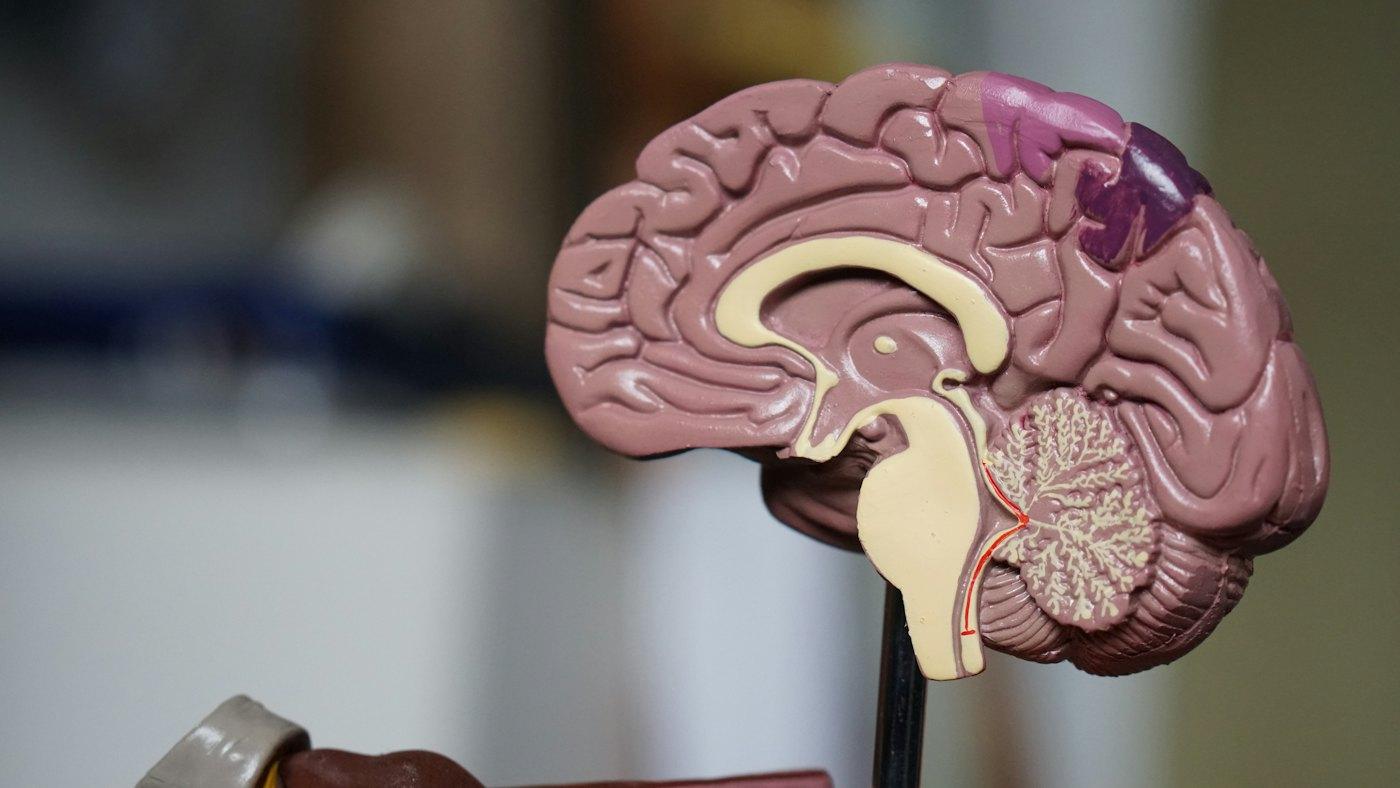
Weakness or paralysis on one side of the body, most often after a stroke. Rehabilitation focuses on movement control, posture, balance and function.
Positioning, stretching, mobility and functional training as part of the wider medical management of increased muscle tone.
07 · 5 conditions
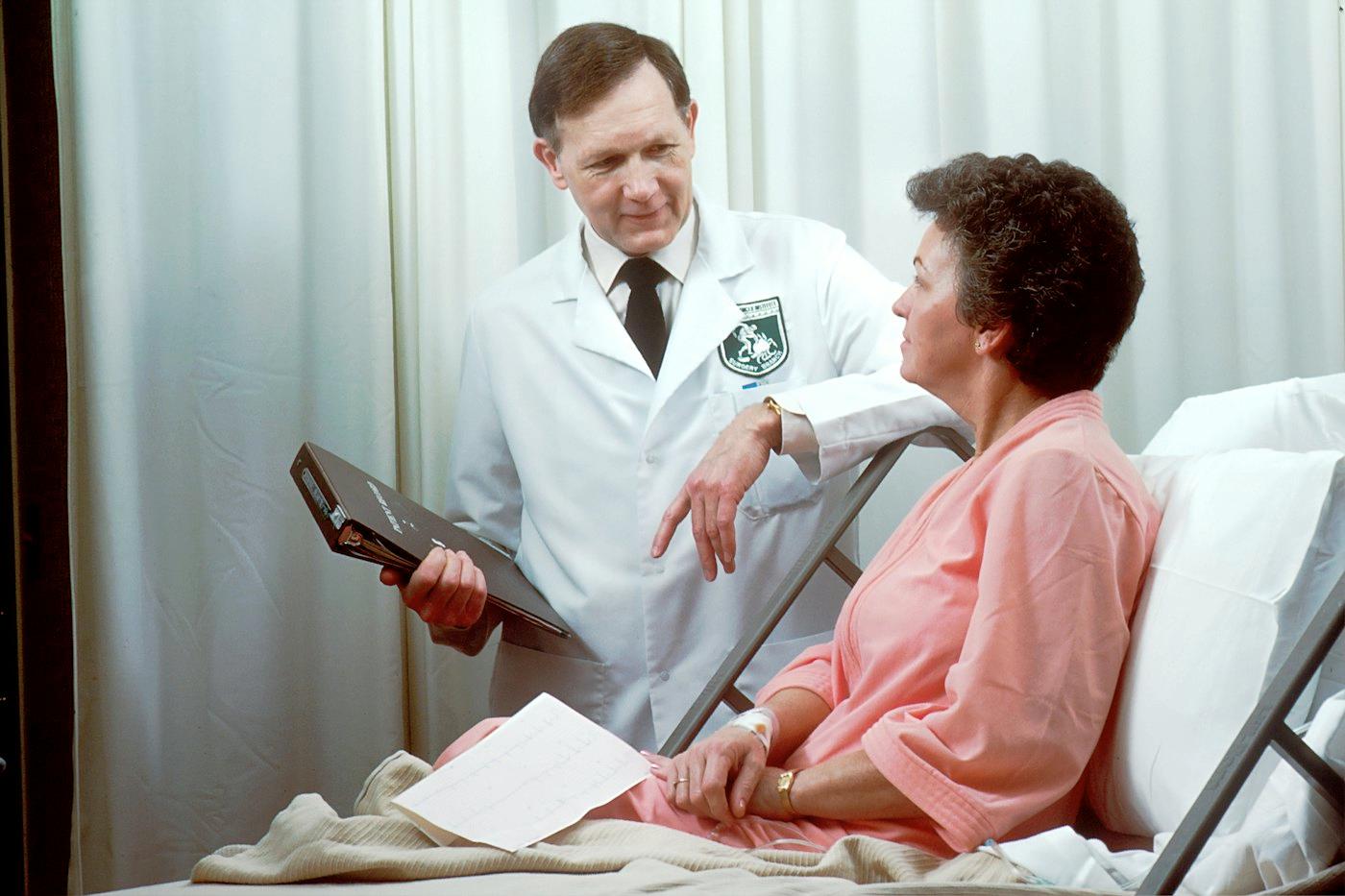
Long-term conditions that affect how movement is controlled. Physiotherapy works alongside your neurologist's care to keep you moving safely for longer.
08 · 4 conditions
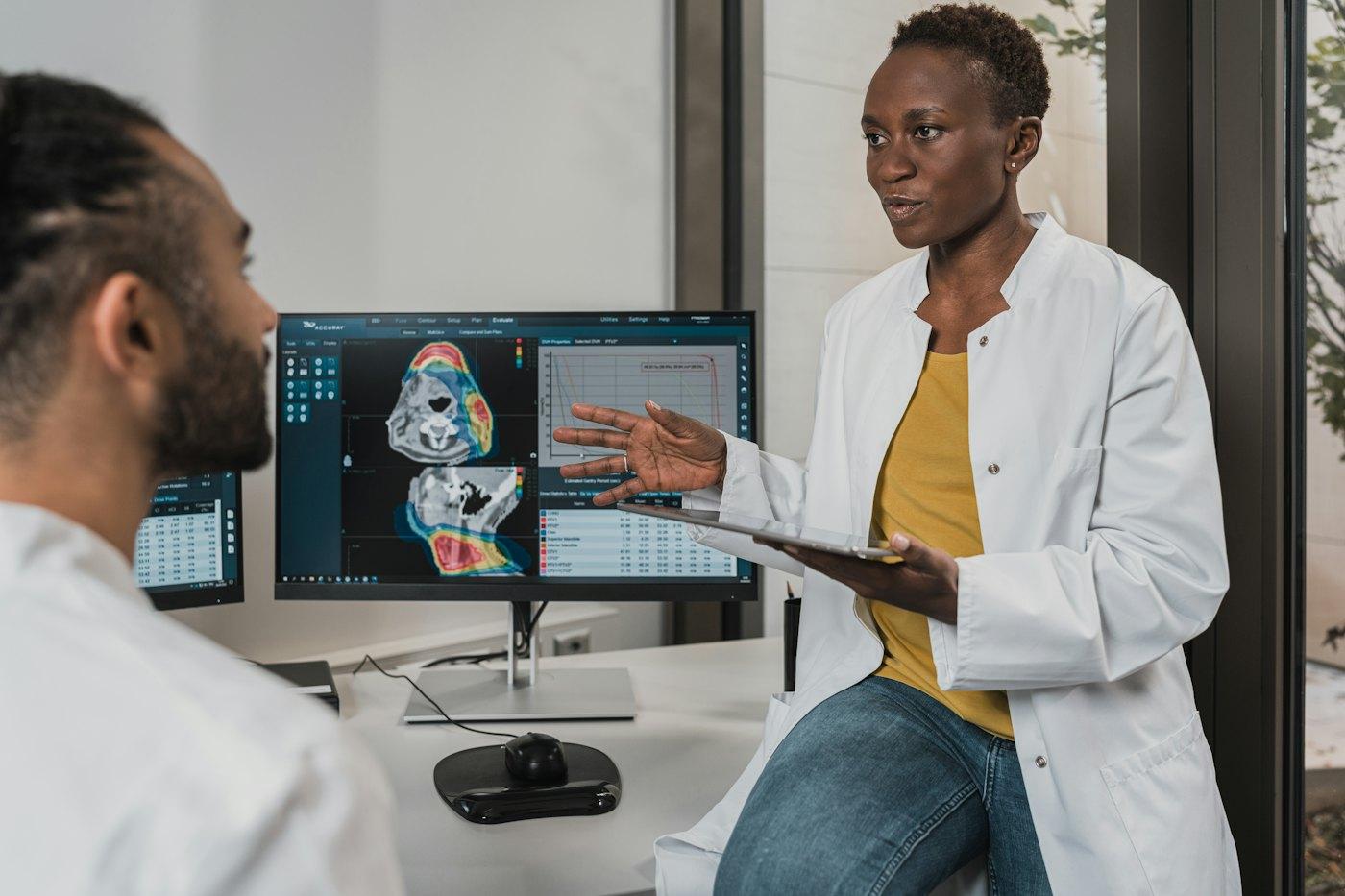
Conditions of the spinal cord and central nervous system, with rehabilitation matched to the level and stage of the condition.
09 · 6 conditions
Conditions of the peripheral nerves and muscles, with exercise paced to protect recovering nerves and avoid over-fatigue.
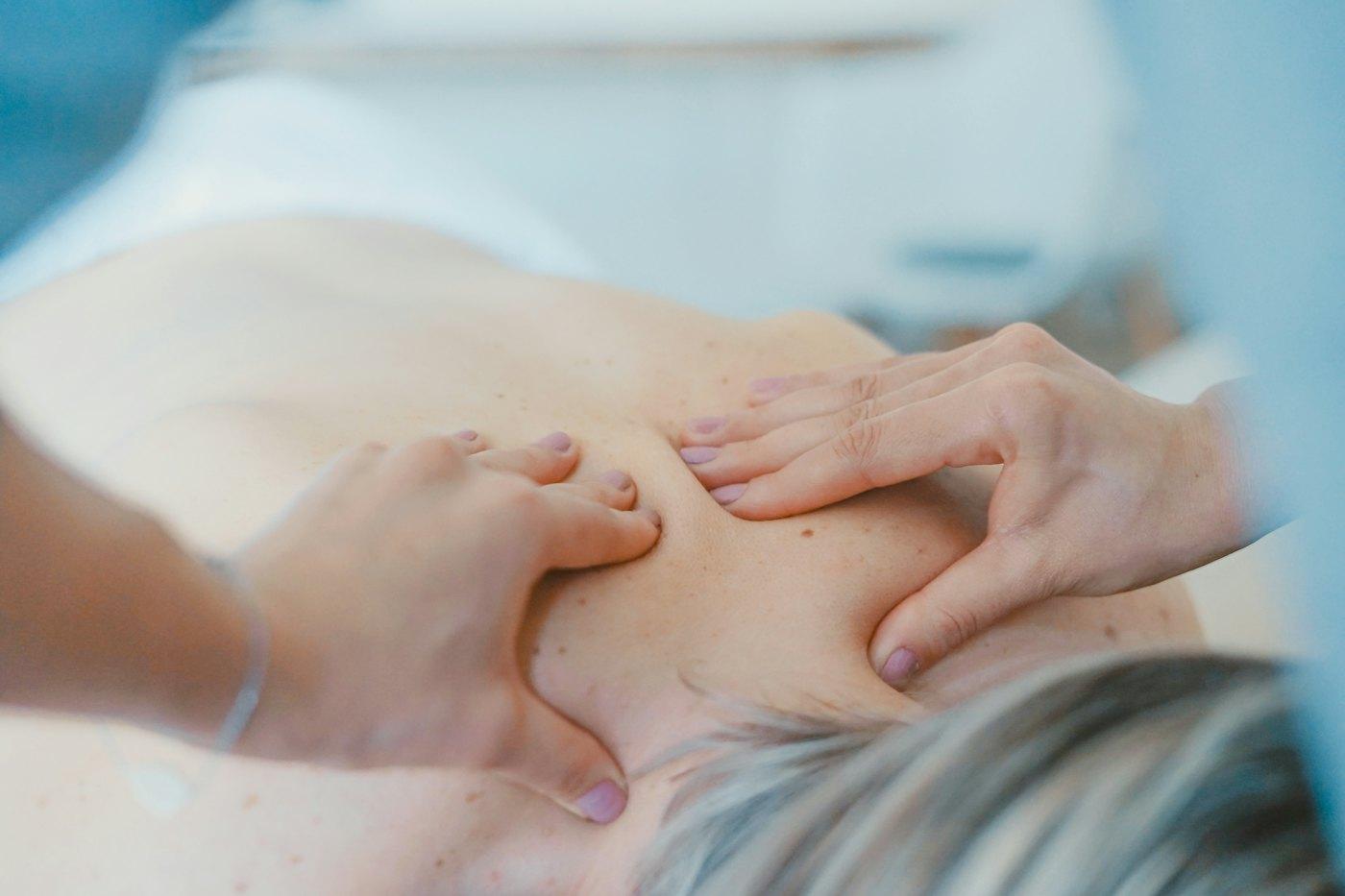
Graded rehabilitation for strength, movement and function after peripheral nerve injury or related weakness.
10 · 5 conditions
Developmental conditions in children, inner-ear (vestibular) problems that cause dizziness, and functional neurological disorder.

Assessment and retraining for unsteadiness, poor coordination and walking problems, including the use of walking aids where helpful.
Neurological rehabilitation
Care is led directly by Dr. Shivaji Bhattacharjee, a senior consultant physiotherapist holding a Master's in Neurology (MPT), ensuring complex neurological cases are assessed with deep clinical insight.
Treatment integrates proven global approaches, such as Neurodevelopmental Treatment (NDT), Motor Relearning Programmes, Proprioceptive Neuromuscular Facilitation (PNF) and Constraint-Induced Movement Therapy (CIMT).
Rather than generic exercises, every patient receives a customised recovery roadmap tailored to their specific stage of nerve recovery and daily lifestyle goals.
Conveniently accessible care in Kolkata (including Ballygunge and Dhakuria chambers) supported by holistic pain management and mobility training.
11 · 1 conditions
Staying steady, strong and independent as you get older.
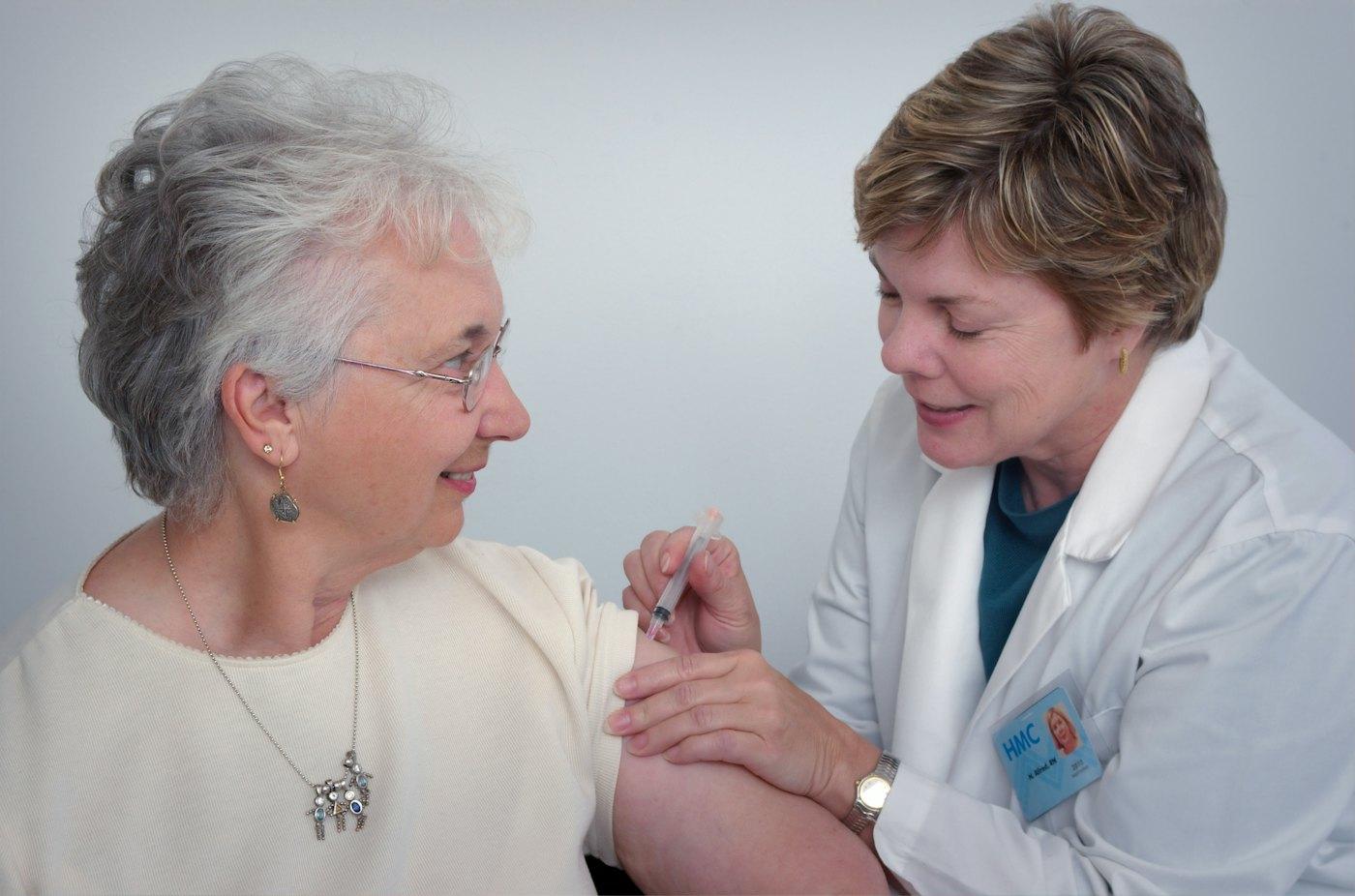
Strength, balance and walking programmes for older adults who are unsteady, have fallen, or are recovering after illness.
Why physiotherapy
Utilises targeted manual therapy and advanced electrotherapy to reduce inflammation and block pain signals naturally.
Prevents post-injury or post-surgical joint stiffness, severe muscle wasting and chronic compensatory pain.
Rebuilds weakened muscles and stiff joints systematically so patients regain independence in daily tasks and sports.
Identifies and corrects underlying postural, muscular or biomechanical flaws to prevent future re-injury.
Why Centre Point
Under the guidance of experienced practitioners like Dr. Shivaji Bhattacharjee (MPT), Senior Consultant Physiotherapist, every patient receives an accurate functional diagnosis and a customised, evidence-based treatment plan tailored to their specific injury and recovery goals.
Equipped with modern therapeutic modalities, such as advanced electrotherapy, therapeutic ultrasound, laser therapy and specialised rehabilitation equipment, Centre Point accelerates tissue healing and manages acute pain effectively.
From managing sudden muscle sprains and chronic joint pain to guiding complex post-operative joint replacements and fracture recoveries, all stages of rehabilitation are handled under one roof.
Rather than generic exercise sheets, treatments are continuously monitored and upgraded as your strength, balance and mobility improve, ensuring a safe and confident return to your normal lifestyle.
This page is general information, not a diagnosis. Seek urgent medical care for signs of a stroke (sudden facial drooping, arm weakness or slurred speech), sudden severe dizziness with double vision or difficulty walking, chest pain, back pain with loss of bladder or bowel control, or a suspected fracture. In an emergency in India, call 112.
Appointments
Send a short enquiry and the clinic will contact you to arrange a convenient time at Ballygunge or Dhakuria.